



Industry insights
In more detail: interviews, reports and analysis
The small filler challenges of today
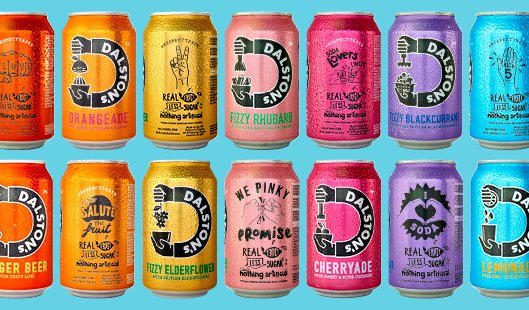
Karen McKenzie takes a look at how the can shortage is threatening craft brewers and small-batch suppliers. The Canmaking market is presently in an unprecedented global growth phenomenon. This growth has brought about a situation where canmaking capacity falls vastly short of demand bringing new challenges and burdens to the smaller fillers. The Canmaking…
From Hemp to Aluminium: Is it time to hash out new packaging ideas?
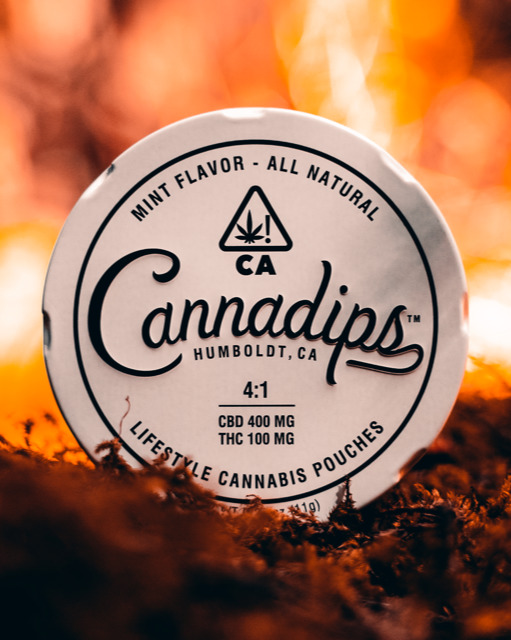
A special feature for Canmaking News by Karen McKenzie examines requirements for aluminium packaging in new and exciting markets. The world of packaging and packaged goods is going through a fluid and rapidly changing landscape with demand outstripping capacity in many cases. However, we all are aware that this will level out at some…
Steel yourself for the next industry challenge
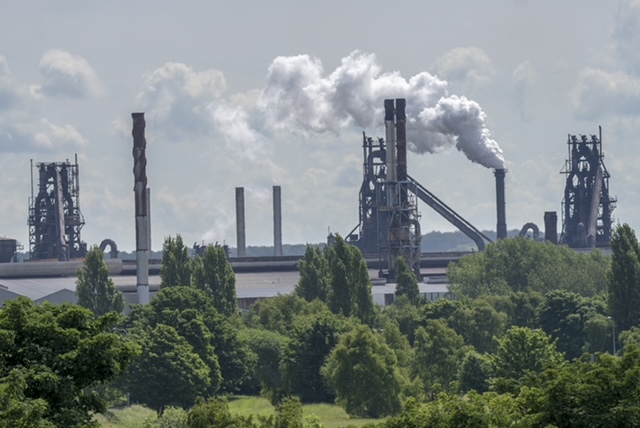
Special feature for Canmaking News by Karen McKenzie The PET Tsunami, as it was hailed, followed by the Covid crisis, was a boom period for the Canmaking industry. Still, the procurement professionals and forward planners started to see the challenges. Skilled manpower, actual capacity requirements vs existing manufacturing footprints, and of course the most significant…
Jobs for the Boys or is the Tide Changing?
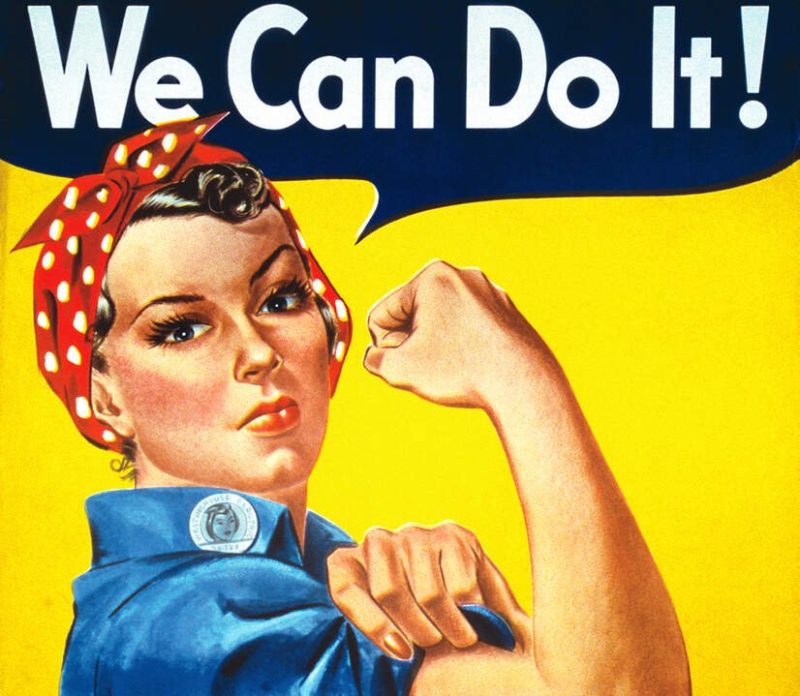
CAN LADIES: Special feature for Canmaking News by Karen McKenzie On March 8th International Women’s Day was celebrated around the globe, a day when the world acknowledges and reflects on the social, economic, cultural and political achievements of women. March is also Women’s History Month, a celebration marking the contributions of women throughout history and…

Fighting Fakes in the Metal Packaging Industry
In the words of Oscar Wilde, “Imitation is the sincerest form of flattery” but this is not a sentiment embraced by legitimate brands around the world. Each year billions of dollars in revenue are lost to criminal organisations producing counterfeit goods from high fashion to pharmaceuticals, through to food and beverages with a myriad in…
For a sustainable future, balance must be struck between plastics and cans
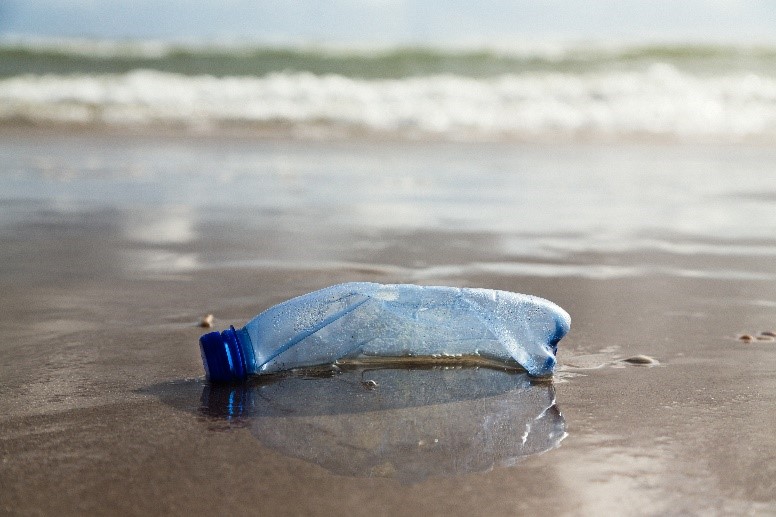
It is only in recent years that the true environmental impact of non-recycled plastics on our ecosystems and oceans has been realised. In 2018 the BBC’s Blue Planet 2 issued a stark warning to the British public (and, thanks to the BBC’s international influence, globally), presenting visually both the sobering reality of decades’ worth of…
Celebrating 85 years of the can
Never before have the issues of economic and environmental sustainability, conservation, health and nutrition, hygiene, food security, and rapidly evolving and increasingly demanding consumer trends been of such relevance to the packaging and FMCG sector as now. With 2020 seeing the Australian bushfires highlight the real impact of climate change, global trade wars threatening supply…

Ball Corporation publishes 2020 sustainability report detailing industry framework for the circular economy
The report details several significant milestones Ball has achieved by enhancing the environmental sustainability profile of its products and operations, including the approval of ambitious science-based greenhouse gas emissions reduction targets, substantial renewable energy deals in North America and Europe, greater responsible sourcing assurance through its ASI Certification in EMEA, and the introduction of its award-winning and infinitely recyclable Ball Aluminum…

Flint Group Packaging publishes its 2020 Sustainability Report
Flint Group Packaging have announce the publication of its 2020 Sustainability Report. The report provides updates on the organisation’s sustainability performance to date. Antoine Fady, CEO of Flint Group, comments, “Since the last report, we have repositioned Flint Group to become a supplier of choice to the packaging industry following a series of acquisitions,” said Antoine…
Ball signs agreements to strengthen 100% European renewable energy goals
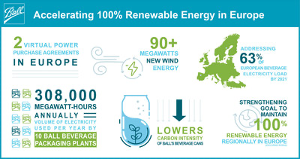
Ball Corporation have executed two virtual power purchase agreements (VPPAs) in Europe – one for the Corral Nuevo project with wpd and one for the Brattmyrliden project with Falck Renewables – for a total of 93.4 megawatts (MW) of additional wind energy. These agreements are a testament to Ball’s long-term commitment to achieve and maintain 100% renewable energy…