



Industry insights
In more detail: interviews, reports and analysis

Latamcan 2024 review: Argentina’s remarkable debut
What an incredible few days we’ve had! From 17th – 19th April, history was made as Argentina hosted the Latin American Canmakers Conference (Latamcan) for the very first time. Regarded as the pinnacle gathering of the metal packaging industry in Latin America, the 2024 exhibition and conference exceeded all expectations. Canmaking professionals and suppliers from…

Industry insight: preparing for proposed EU packaging regulations
Steve Davis, global director of product management at Industrial Physics, discusses the development in EU packaging and waste regulations, and the potential consequences for can makers. The topics of sustainability and waste reduction have been climbing the agenda across the packaging industry in recent years. However, in accordance with the EU’s objective to achieve…
Sustainable Innovation: Advanced air solutions for 2-piece can manufacturing
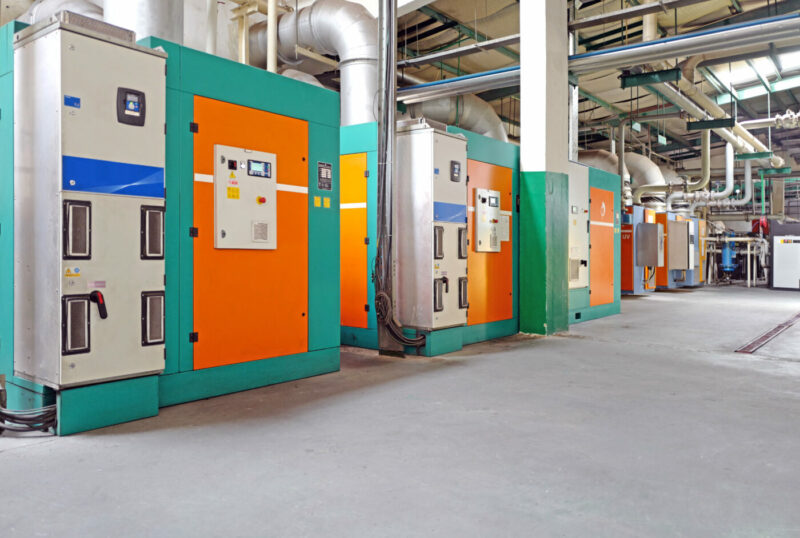
Daniel Hilfiker, President of Pneumofore, unveils the green path to low life cycle cost and minimal environmental impact with durable, high-efficiency compressors and vacuum pumps More than 50% of the electric power used in a can factory is spent for running air compressors and vacuum pumps. The continuous availability of pneumatic energy is a pillar…

ALFED calls for government support to safeguard the aluminium industry
Ahead of the Spring Budget, ALFED CEO Tom Jones discusses the need for government support in safeguarding the future of the UK aluminium industry. As a key ingredient for clean technologies like electric vehicles and renewable energy generation, aluminium is vital for the global transition to net zero. Despite the economic outlook for global aluminium…
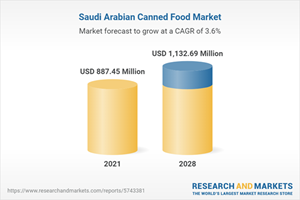
Country in Focus: Saudi Arabia
The manufacturing market has faced several challenges in recent years due to geopolitical uncertainty, supply chain disruptions, changing consumer preferences, and increasing regulatory scrutiny. However, several positive factors, such as rising global demand, ongoing technological advancements, and increasing investment in automation and digitalization, continue to influence the market, and the outlook for manufacturing remains positive.…
Looking ahead: Metal packaging trends in 2024
As 2024 kicks off with a flurry of activity, Canmaking News looks ahead and invites industry experts to provide their thoughts on the trends they think the industry will see in the coming months. Consumers are undoubtedly changing their spending habits. High inflation and economic uncertainty has created a feeling of uncertainty throughout the world…

The impact of AI in canmaking
We explore some of the ways artificial intelligence (AI) is shaping the canmaking industry. Artificial intelligence (AI) has become an omnipresent force in modern society. Its applications span a spectrum of advancements – from the convenience of voice-activated personal assistants to the transformative potential of autonomous vehicles, healthcare diagnostics and complex algorithms steering financial markets.…

2023’s BEST canned beverage Advent calendars
Among the many traditions that have sprung up to accompany the Advent season over the years (the Christmas tree, wreaths etc), one of the simplest and most popular is the Advent calendar. Instead of strictly following the four-week Advent period, which can start anywhere from November 27 to December 3, an Advent calendar typically begins…

2023 BAMA Awards review
On 11th and 12th October 2023, Canmaking News returned to the picturesque Cheshire countryside for the annual BAMA Forum & Awards, hosted once again by the British Aerosol Manufacturers’ Association (BAMA) at the luxurious Carden Park Hotel. The first day of the event, Wednesday 11th October, was defined by the Forum, which commenced with registration and lunch,…

RHODIUS Mineralquellen adds third KHS canning line
RHODIUS is doubling its capacity in the container segment with a third canning line from KHS. Despite the difficult framework conditions, the mineral water and contract bottler says it continues to focus on a clear growth strategy – for itself and for its customers. They say that the optimisation of the reusable glass line installed…