



Industry insights
In more detail: interviews, reports and analysis
Four Pillars of Action for Metal Packagers
Last month, we looked at the can capture grant initiative by the Can Manufacturers Institute. This month Karen McKenzie caught up with Scott Breen, Vice President of Sustainability at the Can Manufacturers Institute, to discuss the broader Four-Pillar Initiative to aid the industry in reaching ambitious new recycling rate targets. For many years the…
Feature: The Craft Brewers supporting Ukrainian brewery’s
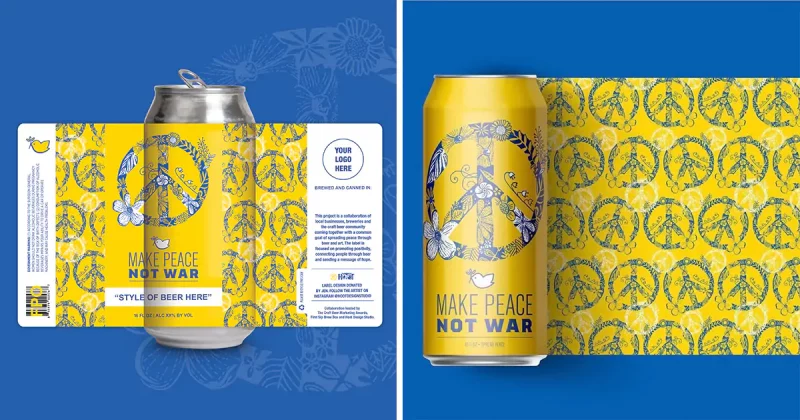
Canmaking News examines the craft brewers supporting the fight for Ukraine following Russia’s invasion Following Russia’s invasion of Ukraine, Lviv Brewery owner, Yuri Zastavny described how his team at the Pravda Beer Theatre was hand-bottling Molotov cocktails that day. “It’s a very special bottling. We’ll bottle beer later,” he said. The brewery then posted…
Closing the Loop
Karen McKenzie looks at the recent aluminium can recovery grant rollout by the Can Manufacturers Institute in the USA – one step closer to reaching ambitious new recycling targets with funding from Ardagh and Crown When we look to the population for commitment to the recycling initiative, we need to teach them not just…

The Complexities and Challenges of Beverage Production
Every industry has its obstacles, and the beverage manufacturing industry is no different. Due to the COVID-19 pandemic and changing consumer demands, canned beverage companies are facing new hurdles such as aluminium shortages, a sizeable shift in the workforce, and diversifying offerings for customer preferences. These present circumstances make it apparent to the public that…
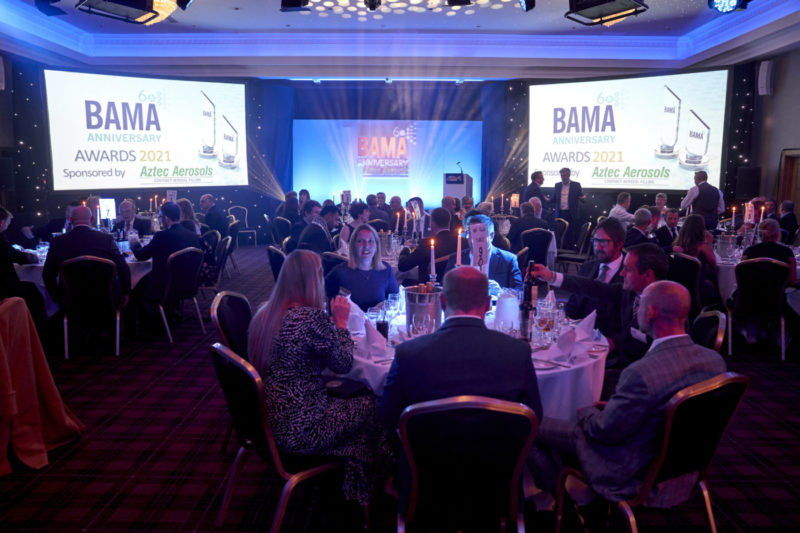
2021 BAMA Forum and Awards review
After having to postpone and eventually cancel all its booked venues and planned events for the last 15 months, BAMA (the British Aerosol Manufacturers’ Association) was thrilled to be able to finally host its annual Forum and Awards on the 13th and 14th October. There were excellent, wide-ranging entries and the 106 attendees experienced a spectacular evening…

The land where legends are still made
Karen McKenzie explores why so many have chosen Cornwall as the location for their breweries and just what makes it so special. Cornwall – the land of folklore, myths, and legends. A brutal landscape and a wild and spectacular coastline have inspired the imagination for centuries. From history came the stories of pirates and smugglers,…

Latamcan 2021 review
2021’s Latamcan (Latin American Canmakers Conference) was a total success, from every point of view, according to the event’s organisers. It took place in Mexico City, Mexico between 22 and 24 September, bringing together canmaking professionals from all over the world to showcase new developments and discuss what’s going on in the industry. The technical…
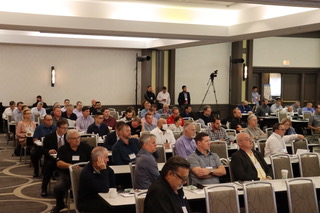
2021 IMDPA Annual Conference review
On Wednesday 6 and Thursday 7 October, the 2021 IMDPA (International Metal Decorating & Packaging Association) Annual Conference took place in Oak Brook, Illinois, USA. For many exhibitors and attendees, it marked the long-awaited return to in-person events following the Covid-19 outbreak. A jam-packed program of inspiring talks, prestigious awards and exciting networking opportunities meant…
The Devil is in the detail
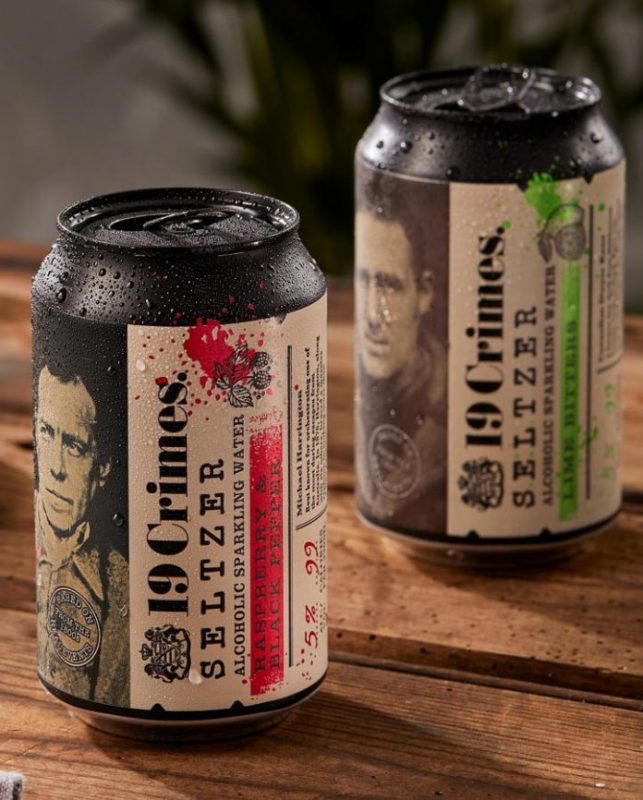
Karen McKenzie looks at a commonly used scam targeting the winemaking industry as fraudsters purporting to work for genuine wine companies use identity theft to fleece producers. Australian wine and pale ale brand 19 Crimes uses augmented-reality labels on their bottles and cans to tell true crime stories. Using a smartphone app and a…
The small filler challenges of today
Karen McKenzie takes a look at how the can shortage is threatening craft brewers and small-batch suppliers. The Canmaking market is presently in an unprecedented global growth phenomenon. This growth has brought about a situation where canmaking capacity falls vastly short of demand bringing new challenges and burdens to the smaller fillers. The Canmaking…